Detectors only see half
Some tools look for known watermarks; others estimate patterns. Neither a missing mark nor a detector score proves a photo is real.
Keep It Real
A convincing picture is not the whole story. Check the clues in an image, explore the research, or ask the community. LegitPix brings together practical tools, real sources, and plain answers about what the evidence can and cannot show.
Evidence X-Ray
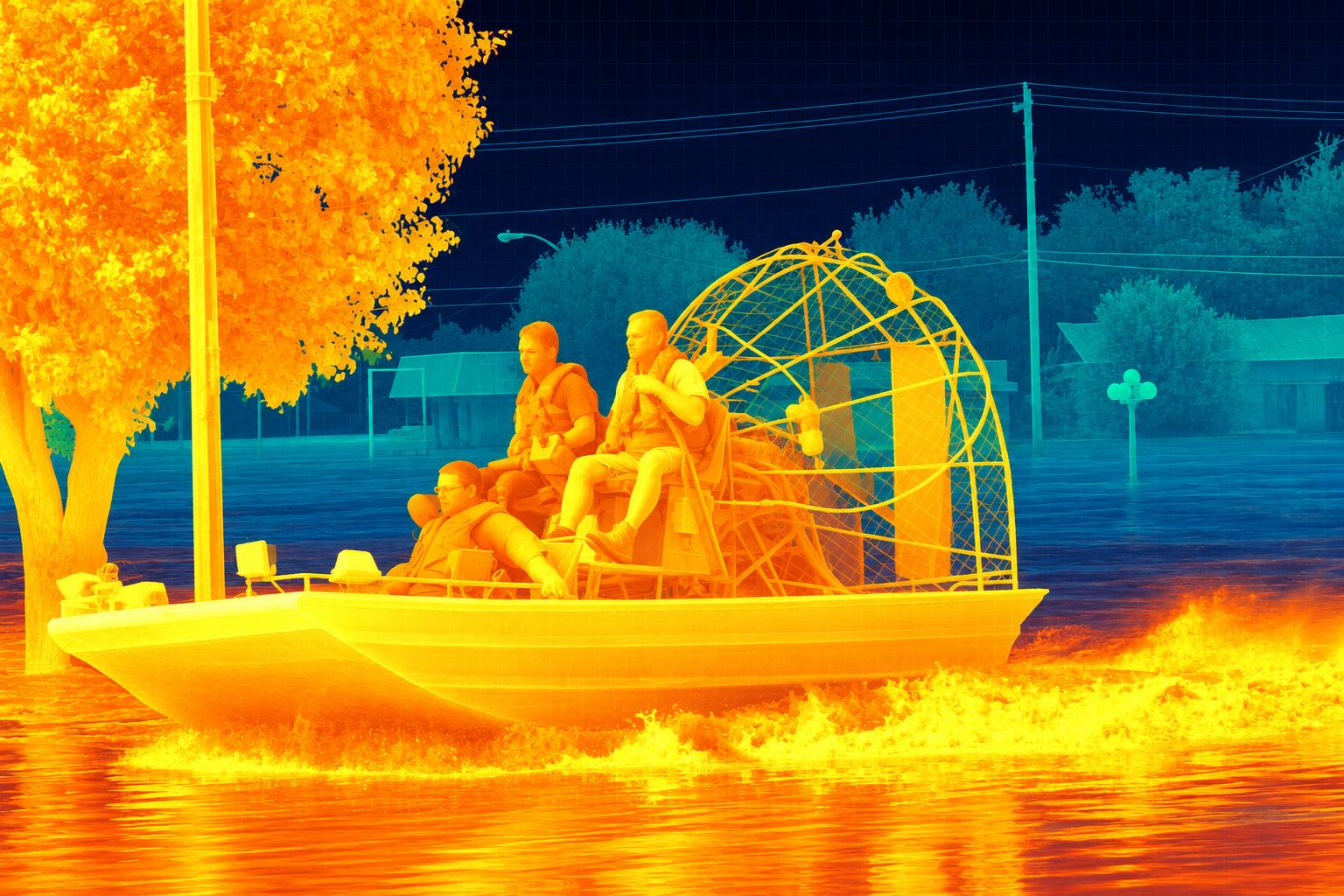
Drag the slider and switch lenses to explore an educational example. These overlays are illustrations, not analysis results. Use Check an Image to inspect your own file.

Some phones offer provenance features. Availability and verification requirements differ by device and capture mode.
Apple · iPhone 18 Pro
Apple documents an opt-in mode on the main camera of iPhone 18 Pro and Pro Max. It signs sensor data and uses Private Cloud Compute to develop a reference image. LegitPix does not verify Apple Reference Images.
Apple Security Research ↗Google · Pixel 10 or later
Google documents Content Credentials for supported Pixel Camera photo modes on Pixel 10 or later. Requirements include current, unmodified Android and recent internet connectivity. Not every mode or offline capture is supported.
Google Pixel Camera Help ↗Content Credentials can be removed, and a valid credential does not establish that a scene is true. Missing credentials do not establish that an image is fake. Verification also depends on the signer and the validator's trust policy. Read the C2PA explainer ↗
Some tools look for known watermarks; others estimate patterns. Neither a missing mark nor a detector score proves a photo is real.
Making a convincing flat picture is easy now. Faking real depth, lens quirks and sensor data that all agree is much harder.
Proof is strongest when it's saved the moment a photo is taken, not pieced together after it's gone viral.
None of these gives a simple real-or-fake answer on its own. Each one answers a smaller question.
The library is a dated research snapshot, not a complete or independently tested list. Its links take you straight to the original papers, standards and projects.
Where we're headed
This is work in progress — not something you can use yet.
How phones and cameras could lock in a photo's sensor and depth data the instant it's taken.
Exploring camera hardware that periodically syncs with an unpredictable, time-linked code and binds it to the photo at capture. Secure binding and freshness checks would be essential; a code alone is not proof.
Tracking current and proposed laws on digital evidence, and pushing for clear, open ways to show a file hasn't been tampered with — including footage from surveillance and license-plate cameras.
Join us
We're working toward phone apps that save proof the moment a photo is taken. Sign up to follow along, or chip in to help.
LegitPix is a public-interest project, free to use with no ads and no paywall. Your support keeps the research open and helps build what comes next.
Payments go through PayPal. Keep your payment receipt; no charitable tax deduction is promised here. Gifts support the work above as a whole rather than being split by category.